

Building Healthy Families
Sunday, February 23, 2014
Tis the Season

Sunday, February 16, 2014
Make a Bathtub Town

Want a fun way to help your children practice shapes and colors, all while getting clean! Try this simple idea and watch your child build away.
Materials
- Scissors
- Craft Foam
2. When your child is in the tub, have them dip the foam pieces into the water and arrange the shapes to build their own bathtub town.
3. When the bath is over, simply lay the shapes out to dry and store in a Ziplock bag until the next time.
Monday, February 10, 2014
Creating a Routine

Struggling to get out the house in the morning? Having a challenges at bed time? The experts at Positive Discipline share some ideas about making routines to help things run a bit better.
The more children do for themselves, the more capable and encouraged they feel. One of the best ways to avoid bedtime hassles and morning hassles is to get children involved in creating routine charts and then letting them follow their charts instead of telling them what to do.
Start by having your child make a list of all the things she needs to do before going to bed. The list might include, pick up toys, snack, bath, pajamas, brush teeth, choose clothes for the next morning, bedtime story, hugs. Copy (or when children are old enough let them copy) all the items on a chart. Children love it when you take pictures of them doing each task so they can paste the picture after each item. Then hang the chart where she can see it.
Let the routine chart be the boss. Instead of telling your child what to do, ask her, "What is next on your routine chart?" Often, you don’t have to ask. She will tell you. Choosing clothes the night before is one task that eliminates some morning hassles when children follow their morning routine (for which you may have another chart). If they have laid out what they want to wear the night before, they don’t get upset trying to find something the last minute. Other bedtime routine tasks that make mornings routines go more smoothly is for children to make their school lunch the night before.
Remember that the goal is to help children feel capable and encouraged. A nice fringe benefit is that you will be able to stop nagging and will experience more peaceful bedtimes and mornings
The
more children do for themselves, the more capable and encouraged they
feel. One of the best ways to avoid bedtime hassles and morning hassles
is to get children involved in creating routine charts and then letting
them follow their charts instead of telling them what to do.
Start by having your child make a list of all the things she needs to do before going to bed. The list might include, pick up toys, snack, bath, pajamas, brush teeth, choose clothes for the next morning, bedtime story, hugs. Copy (or when children are old enough let them copy) all the items on a chart. Children love it when you take pictures of them doing each task so they can paste the picture after each item. Then hang the chart where she can see it.
Let the routine chart be the boss. Instead of telling your child what to do, ask her, "What is next on your routine chart?" Often, you don’t have to ask. She will tell you. Choosing clothes the night before is one task that eliminates some morning hassles when children follow their morning routine (for which you may have another chart). If they have laid out what they want to wear the night before, they don’t get upset trying to find something the last minute. Other bedtime routine tasks that make mornings routines go more smoothly is for children to make their school lunch the night before.
Remember that the goal is to help children feel capable and encouraged. A nice fringe benefit is that you will be able to stop nagging and will experience more peaceful bedtimes and mornings.
- See more at: http://blog.positivediscipline.com/#sthash.YW0GJf32.dpuf
Start by having your child make a list of all the things she needs to do before going to bed. The list might include, pick up toys, snack, bath, pajamas, brush teeth, choose clothes for the next morning, bedtime story, hugs. Copy (or when children are old enough let them copy) all the items on a chart. Children love it when you take pictures of them doing each task so they can paste the picture after each item. Then hang the chart where she can see it.
Let the routine chart be the boss. Instead of telling your child what to do, ask her, "What is next on your routine chart?" Often, you don’t have to ask. She will tell you. Choosing clothes the night before is one task that eliminates some morning hassles when children follow their morning routine (for which you may have another chart). If they have laid out what they want to wear the night before, they don’t get upset trying to find something the last minute. Other bedtime routine tasks that make mornings routines go more smoothly is for children to make their school lunch the night before.
Remember that the goal is to help children feel capable and encouraged. A nice fringe benefit is that you will be able to stop nagging and will experience more peaceful bedtimes and mornings.
- See more at: http://blog.positivediscipline.com/#sthash.YW0GJf32.dpuf
The
more children do for themselves, the more capable and encouraged they
feel. One of the best ways to avoid bedtime hassles and morning hassles
is to get children involved in creating routine charts and then letting
them follow their charts instead of telling them what to do.
Start by having your child make a list of all the things she needs to do before going to bed. The list might include, pick up toys, snack, bath, pajamas, brush teeth, choose clothes for the next morning, bedtime story, hugs. Copy (or when children are old enough let them copy) all the items on a chart. Children love it when you take pictures of them doing each task so they can paste the picture after each item. Then hang the chart where she can see it.
Let the routine chart be the boss. Instead of telling your child what to do, ask her, "What is next on your routine chart?" Often, you don’t have to ask. She will tell you. Choosing clothes the night before is one task that eliminates some morning hassles when children follow their morning routine (for which you may have another chart). If they have laid out what they want to wear the night before, they don’t get upset trying to find something the last minute. Other bedtime routine tasks that make mornings routines go more smoothly is for children to make their school lunch the night before.
Remember that the goal is to help children feel capable and encouraged. A nice fringe benefit is that you will be able to stop nagging and will experience more peaceful bedtimes and mornings.
- See more at: http://blog.positivediscipline.com/#sthash.YW0GJf32.dpuf
Start by having your child make a list of all the things she needs to do before going to bed. The list might include, pick up toys, snack, bath, pajamas, brush teeth, choose clothes for the next morning, bedtime story, hugs. Copy (or when children are old enough let them copy) all the items on a chart. Children love it when you take pictures of them doing each task so they can paste the picture after each item. Then hang the chart where she can see it.
Let the routine chart be the boss. Instead of telling your child what to do, ask her, "What is next on your routine chart?" Often, you don’t have to ask. She will tell you. Choosing clothes the night before is one task that eliminates some morning hassles when children follow their morning routine (for which you may have another chart). If they have laid out what they want to wear the night before, they don’t get upset trying to find something the last minute. Other bedtime routine tasks that make mornings routines go more smoothly is for children to make their school lunch the night before.
Remember that the goal is to help children feel capable and encouraged. A nice fringe benefit is that you will be able to stop nagging and will experience more peaceful bedtimes and mornings.
- See more at: http://blog.positivediscipline.com/#sthash.YW0GJf32.dpuf
The
more children do for themselves, the more capable and encouraged they
feel. One of the best ways to avoid bedtime hassles and morning hassles
is to get children involved in creating routine charts and then letting
them follow their charts instead of telling them what to do.
Start by having your child make a list of all the things she needs to do before going to bed. The list might include, pick up toys, snack, bath, pajamas, brush teeth, choose clothes for the next morning, bedtime story, hugs. Copy (or when children are old enough let them copy) all the items on a chart. Children love it when you take pictures of them doing each task so they can paste the picture after each item. Then hang the chart where she can see it.
Let the routine chart be the boss. Instead of telling your child what to do, ask her, "What is next on your routine chart?" Often, you don’t have to ask. She will tell you. Choosing clothes the night before is one task that eliminates some morning hassles when children follow their morning routine (for which you may have another chart). If they have laid out what they want to wear the night before, they don’t get upset trying to find something the last minute. Other bedtime routine tasks that make mornings routines go more smoothly is for children to make their school lunch the night before.
Remember that the goal is to help children feel capable and encouraged. A nice fringe benefit is that you will be able to stop nagging and will experience more peaceful bedtimes and mornings.
- See more at: http://blog.positivediscipline.com/#sthash.YW0GJf32.dpuf
Start by having your child make a list of all the things she needs to do before going to bed. The list might include, pick up toys, snack, bath, pajamas, brush teeth, choose clothes for the next morning, bedtime story, hugs. Copy (or when children are old enough let them copy) all the items on a chart. Children love it when you take pictures of them doing each task so they can paste the picture after each item. Then hang the chart where she can see it.
Let the routine chart be the boss. Instead of telling your child what to do, ask her, "What is next on your routine chart?" Often, you don’t have to ask. She will tell you. Choosing clothes the night before is one task that eliminates some morning hassles when children follow their morning routine (for which you may have another chart). If they have laid out what they want to wear the night before, they don’t get upset trying to find something the last minute. Other bedtime routine tasks that make mornings routines go more smoothly is for children to make their school lunch the night before.
Remember that the goal is to help children feel capable and encouraged. A nice fringe benefit is that you will be able to stop nagging and will experience more peaceful bedtimes and mornings.
- See more at: http://blog.positivediscipline.com/#sthash.YW0GJf32.dpuf
Saturday, February 1, 2014
Ground Hog Day
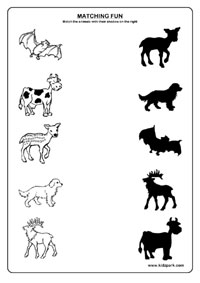
While Ground Hog Day can be lots of fun, it is also a great way to sharpen critical thinking skills and get kids thinking about the science of shadows. Try to the following links to crafts and activities that can get the whole family involved in the learning.
1. Make an old-fashioned shadow box with help from http://rhythmofthehome.com/2011/11/shadow-puppetry-and-shadow-play-for-children/

2. Kids will love matching shadows to household objects. Create Shadows with a sheet and spotlight with this idea from http://susanevans.org/blog/shadow-puppets-behind-a-sheet/

3. Not feeling crafty, simply print up one of the shadow matching worksheets from http://www.earlychildhoodworksheets.com/math/brain-teaser/shadow-1.jpg

1. Make an old-fashioned shadow box with help from http://rhythmofthehome.com/2011/11/shadow-puppetry-and-shadow-play-for-children/

2. Kids will love matching shadows to household objects. Create Shadows with a sheet and spotlight with this idea from http://susanevans.org/blog/shadow-puppets-behind-a-sheet/

3. Not feeling crafty, simply print up one of the shadow matching worksheets from http://www.earlychildhoodworksheets.com/math/brain-teaser/shadow-1.jpg
Sunday, January 26, 2014
Battling Picky Eaters

If children's nutrition is a sore topic in your household, you're not alone. Many parents worry about what their children eat — and don't eat. However, most kids get plenty of variety and nutrition in their diets over the course of a week. Until your child's food preferences mature, consider these tips from the experts at the Mayo Clinic for preventing mealtime battles.
No. 1: Respect your child's appetite — or lack of one
No. 2: Stick to the routine
No. 3: Be patient with new foods
No. 4: Make it fun
No. 5: Recruit your child's help
Sunday, January 19, 2014
Tools for Better Listening
The folks at Positive Discipline offered some great advice for improving your listening! Check our their helpful hints below:
Many parents complain that their
children don’t listen, yet few parents really listen to their children. Parents
tend to do the following:
- React and Correct: Don’t talk to me that way. Why can’t you be more positive, grateful, or respectful? You shouldn’t feel that way. Why can’t you be different—more like your sister or brother?
- Fix or Rescue: Maybe if you would do this ____, then____. (Maybe if you would be friendlier, then you would have more friends.) I’ll talk to your teacher (or your friend’s mother). Don’t feel bad. Try the following:
Tools for Better
Listening
- Validate feelings: I can see this is very upsetting for you. Sounds like you are really sad, mad, feeling hurt.
- Ask Curiosity Questions: What happened? Want to talk about it?
- Invite Deeper Sharing: Anything else? Is there more? Anything else? Anything else?
- Listen with your Lips Closed: Hmmmm.
- Have Faith in Your Child: Know that, in most cases, your child simply needs a supportive, listening ear as part of the process of venting before coming up with his or her solution. Through this process your child learns resiliency (“I can deal with the ups and downs of life.") and capability ("I can survive getting upset and figure out solutions.").
Tools for Better Listening
- Validate feelings: I can see this is very upsetting for you. Sounds like you are really sad, mad, feeling hurt.
- Ask Curiosity Questions: What happened? Want to talk about it?
- Invite Deeper Sharing: Anything else? Is there more? Anything else? Anything else?
- Listen with your Lips Closed: Hmmmm.
- Have Faith in Your Child: Know that, in most cases, your child simply needs a supportive, listening ear as part of the process of venting before coming up with his or her solution. Through this process your child learns resiliency (“I can deal with the ups and downs of life.") and capability ("I can survive getting upset and figure out solutions.").
Many
parents complain that their children don’t listen, yet few parents
really listen to their children. Parents tend to do the following:
Tools for Better Listening
- React and Correct: Don’t talk to me that way. Why can’t you be more positive, grateful, or respectful? You shouldn’t feel that way. Why can’t you be different—more like your sister or brother?
- Fix or Rescue: Maybe if you would do this ____, then____. (Maybe if you would be friendlier, then you would have more friends.) I’ll talk to your teacher (or your friend’s mother). Don’t feel bad.
Tools for Better Listening
- Validate feelings: I can see this is very upsetting for you. Sounds like you are really sad, mad, feeling hurt.
- Ask Curiosity Questions: What happened? Want to talk about it?
- Invite Deeper Sharing: Anything else? Is there more? Anything else? Anything else?
- Listen with your Lips Closed: Hmmmm.
- Have Faith in Your Child: Know that, in most cases, your child simply needs a supportive, listening ear as part of the process of venting before coming up with his or her solution. Through this process your child learns resiliency (“I can deal with the ups and downs of life.") and capability ("I can survive getting upset and figure out solutions.").
Many
parents complain that their children don’t listen, yet few parents
really listen to their children. Parents tend to do the following:
Tools for Better Listening
- React and Correct: Don’t talk to me that way. Why can’t you be more positive, grateful, or respectful? You shouldn’t feel that way. Why can’t you be different—more like your sister or brother?
- Fix or Rescue: Maybe if you would do this ____, then____. (Maybe if you would be friendlier, then you would have more friends.) I’ll talk to your teacher (or your friend’s mother). Don’t feel bad.
Tools for Better Listening
- Validate feelings: I can see this is very upsetting for you. Sounds like you are really sad, mad, feeling hurt.
- Ask Curiosity Questions: What happened? Want to talk about it?
- Invite Deeper Sharing: Anything else? Is there more? Anything else? Anything else?
- Listen with your Lips Closed: Hmmmm.
- Have Faith in Your Child: Know that, in most cases, your child simply needs a supportive, listening ear as part of the process of venting before coming up with his or her solution. Through this process your child learns resiliency (“I can deal with the ups and downs of life.") and capability ("I can survive getting upset and figure out solutions.").
Sunday, January 12, 2014
Snow Paint

If the real winter weather has your kids trapped indoors, try playing with the "snow" indoors! This quick and easy snow paint has been a hit with kids of all ages, and dries with a fun 3-D effect. Use ribbon, yarn, markers and stickers to embellish your art, and create a winter-themed masterpiece!
Directions:
1. Mix equal parts shaving cream and glue (mix glitter into you glue to recreate the sparkle of the snow).
2. Using their hands, brushes or other tools have your kids create a winter scene (hint: Heavier paper works best due to the heaviness of the paint).
3. Allow 30-60 minutes to dry.
4. Use other materials to add to your masterpiece.

Subscribe to:
Posts (Atom)